01
Society and Politics
Public decisions, representation, fairness, and the assumptions behind them.
A season of plenty. A little food for thought.
Wisdom Looks Good on You. Statement T-shirts for people who think deeply, laugh often, and have something to say.
Explore the shirt collection Read the journal
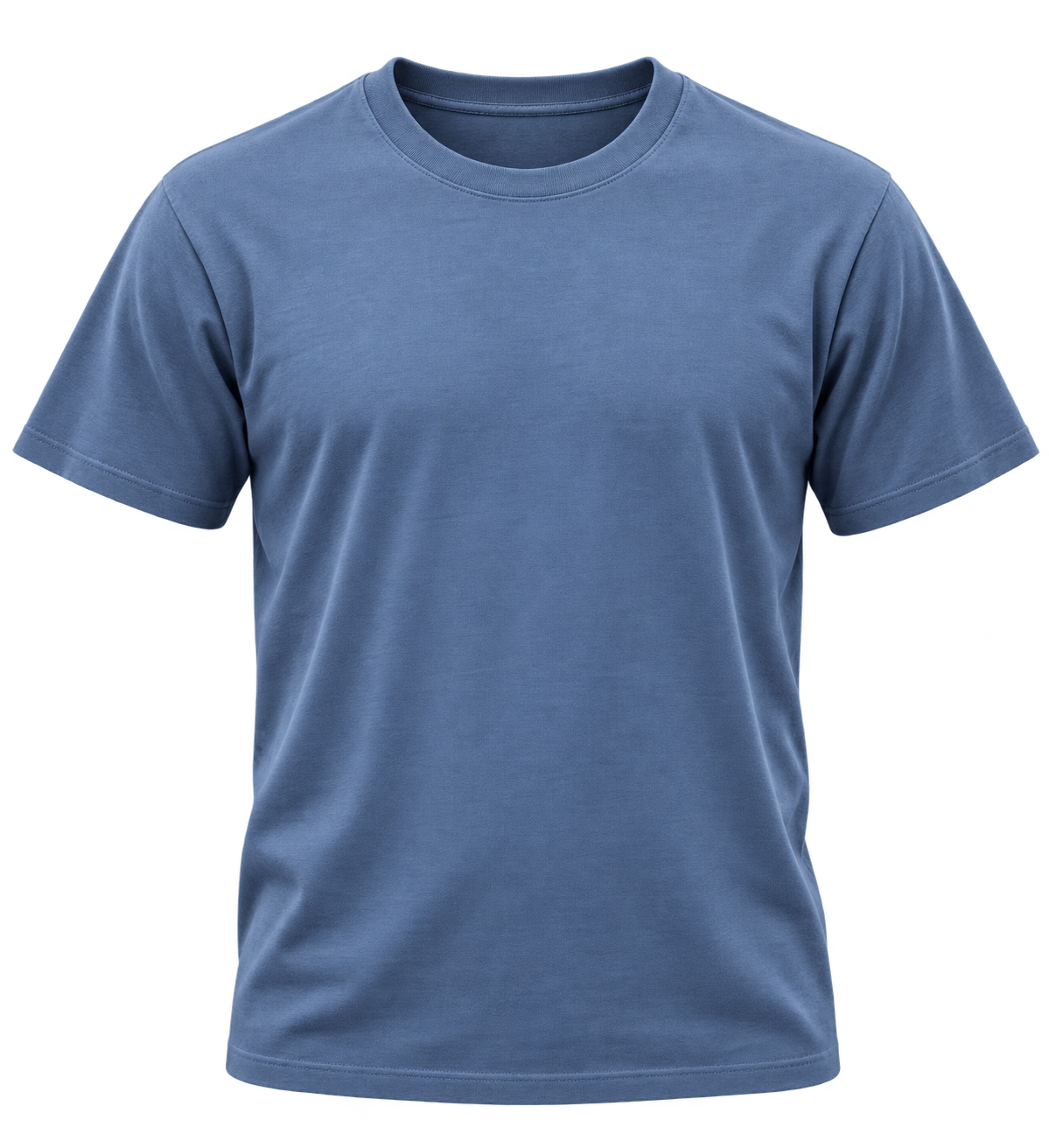
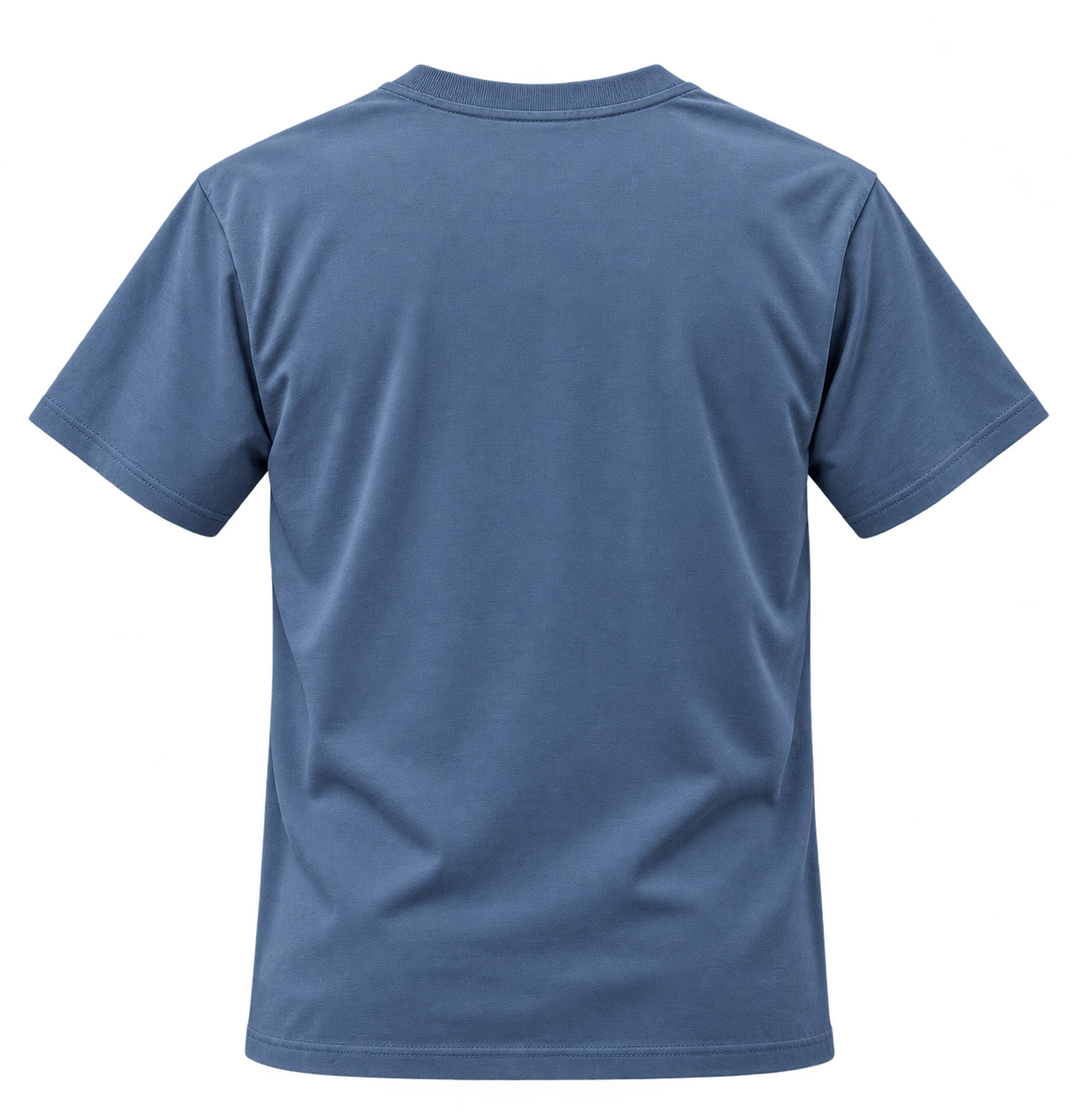
Each design appears with the thought behind it. Its shirt turns right there beside the quote.
What you wear can reflect your intellect, humor, and values. Explore each statement with its own shirt—front and back together in one place.
“Being loud… isn’t the same as being right.”
 Being loud…
 …isn’t the same
Being loud… isn’t the same as being right.
“Question the easy… answer.”
Question the…answer.Question the easy… answer.
These are early concept mockups using the supplied shirt photos. Final product photography and launch details will follow.
Social commentary, everyday observations, and humor with something to say. Begin with one question and follow it where it leads.
Having a representative and feeling represented are two different things. The slogan asks a question about the distance between them—and where a real conversation should begin.
Read the draftNo More…withNo More Over Taxation… With Under-Representation.
A setback can become a lesson. But an easy win can become a ceiling when it persuades us to stop reaching.
Read the commentaryFailure isn’t…it’s aiming lowFailure isn’t aiming high and missing… It’s aiming low and hitting.
Payback promises a satisfying ending. The fine print often includes your peace, your judgment, and a screenshot that never really disappears.
Read the commentaryIf you seek…you must firstIf you seek revenge... you must first dig two graves.
Feelings tell us what matters. Thought helps keep one ambiguous text from becoming a six-season drama.
Read the commentaryLife is a comedy…and a tragedyLife is a comedy for those who think... and a tragedy for those who feel.
Wealth can open doors; kindness makes people glad they opened them. The smallest everyday choices often say the most about success.
Read the commentaryIn a world…choose toIn a world where you can choose to be anything... choose to be kind.
A good relationship is not one person’s happiness department. It’s two people looking for ways to make life better for each other.
Read the commentaryHappy…happyHappy spouse... happy house.
Public decisions, representation, fairness, and the assumptions behind them.
Questions and reflections drawn from ordinary life.
Humor and pointed questions about things that do not quite add up.
Having a representative and feeling represented are two different things. My slogan asks a question about the distance between them.
You have a representative. Fine. Do you feel represented?
That is the question behind my statement:
No More Over Taxation with Under-Representation.
The wording puts two concerns together: what people are asked to pay, and how much their concerns count. The tension between them is the point.
It is easy to stop at the word “representation.” Someone holds the office. Someone has the title. But does that settle the question? Or does it simply tell us where to begin asking it?
There is a difference between knowing who your representative is and believing that person understands what matters to you. A name on a ballot answers one question. What happens after the election raises another.
And then there is “over taxation.” How much is too much? That question needs an argument. A slogan cannot supply the answer by itself. But it can ask why the demand for payment and the demand to be heard should be discussed separately.
If people are expected to contribute, what should they be able to expect in return? What does meaningful representation look like when a decision affects their daily lives? At what point does an explanation become an answer—and at what point is it merely a way of repeating the decision?
Those questions are the substance behind the statement. Without them, the slogan is just a few forceful words. With them, it becomes an invitation to examine the relationship between public demands and public voice.
The phrase does not calculate a tax rate. It does not name a politician. It asks whether the people carrying the burden believe their concerns carry weight.
That is where I want the conversation to begin. Before asking whether you agree with the slogan, ask what would make it true or false in your own experience.
Who speaks for you? What have they heard? And what would convince you that they were listening?
A setback can teach us something. Complacency can quietly teach us to expect less of ourselves.
Some people meet a setback and treat it as information, not a final verdict. They fail, examine what happened, make an adjustment, and try again. A missed opportunity can become a stepping-stone when it helps someone see what to learn or change on the way toward a meaningful goal—perhaps even the purpose they feel called to pursue.
A student who does poorly on an exam can identify the concepts that need more work. A musician who is not selected for an audition can ask for feedback, practice, and prepare differently next time. A worker passed over for a role can seek an honest assessment and build the skills the next opportunity will require. None of these examples guarantees success. They show how a disappointment can still provide direction.
Trying again does not mean repeating the same move without reflection. Persistence has to leave room for learning, adaptation, and sometimes a change of route. The goal may remain important even when the first plan proves ineffective. A setback can point toward a better method—or reveal that a different destination deserves attention.
The quieter danger is becoming satisfied too soon. Small achievements matter; they can represent real effort and deserve recognition. But a modest win can become a false finish when comfort with what is easy replaces curiosity about what is possible. A person may earn one credential and stop learning, reach a basic target and never ask what could be improved, or accept “good enough” before giving a larger ambition a fair attempt.
That is the distinction behind this statement:
Failure is not aiming high and missing. It is aiming low and hitting.
The point is not to look down on small steps or to chase achievement without end. It is to ask whether we are content because we chose a goal that matters to us—or because fear, routine, or a quick reward persuaded us to stop reaching. A person can celebrate progress and still keep a larger possibility in view.
When we miss a high target, we can ask what the attempt taught us. When we hit a smaller one, we can ask whether it fulfills the purpose we set out to serve. The miss may be a lesson. The easy win may be a beginning. Neither has to define the limit of what comes next.
Failure is not aiming high and missing. It is aiming low and hitting—and mistaking that first success for all we were meant to do.
Payback advertises instant closure. The fine print can cost you your peace, your judgment, and sometimes your better self.
“If you seek revenge, you must first dig two graves.” The saying is short; the warning is not. Revenge can make a wounded person feel powerful for a moment, then ask them to keep paying long after the moment has passed.
Today, revenge may arrive with a keyboard and a group chat. Someone disrespects you, so you draft the perfect late-night reply. Then come the screenshots, the subtweets, the public “receipts,” and an audience invited to vote on a conflict they know mostly from a caption. The post may be deleted; the screenshot has apparently accepted a long-term lease.
A burst of likes can feel like vindication, but an online pile-on rarely settles what happened. It can recruit friends, expose private details, or turn one cruel moment into a lasting campaign. By the time everyone has picked a side, the original injury may be buried under a second one you helped create.
Revenge can work like a shot of morphine: it dulls the pain and indignation for a while, but numbness is not healing. Bitterness can also distort our reasoning. We start by objecting to someone’s cruelty and end up excusing our own because, in our version, they had it coming. That is how anger can start redrawing the moral compass while insisting it is only checking the map.
Letting go does not mean pretending the insult was harmless, approving what happened, or giving someone unlimited access to hurt you again. Forgiveness can take time. Boundaries, distance, accountability, and fair consequences can still matter. The choice is whether to seek a just response or to let the desire to make someone suffer become the response.
From a Christian perspective, Romans 12:19 says, “Vengeance is mine; I will repay, says the Lord.” The same verse tells believers not to avenge themselves. I do not read that as God protecting a monopoly on revenge. I read it as a warning about what revenge can do to the person carrying it: it can put a life, a conscience, and a soul at risk. Read Romans 12:19 (KJV).
There is a difference between refusing revenge and refusing justice. You can protect yourself, tell the truth, ask for accountability, and pursue help through appropriate channels without making destruction your personal project. “I will not become like the person who hurt me” is not surrender. Sometimes it is the strongest boundary in the room.
Revenge promises closure, then sends you the bill. Before you pick up the shovel, ask whether freedom might feel better than the final word.
Feeling tells us what matters. Thinking helps us decide what the feeling means—and what to do next.
“Life is a comedy for those who think...and a tragedy for those who feel.” The line captures how perspective can change an experience. Still, thought and feeling make a better team than either one trying to run the whole show. Feeling tells us what matters. Thinking helps us understand what happened and choose a response.
Thinking is a discipline, and it matters for survival and success. It asks us to pause, separate facts from assumptions, check what we do not know, consider consequences, and change our minds when better information arrives. That pause can prevent a careless click, an impulsive decision, or a confident answer built on a shaky premise.
Take the one-word text: “Fine.” The feeling says, “They are furious.” The thinking mind asks, “What else could this mean?” Perhaps they are busy. Perhaps the phone is at two percent. Perhaps they are, in fact, annoyed—but a follow-up question will probably produce more useful information than a 900-word reply drafted with courtroom-level footnotes.
Online, a clipped video or a dramatic post can trigger an instant verdict. The comments are already holding a trial, and the algorithm has helpfully seated you in the front row. Thinking means checking the full context before sharing, asking who benefits from your outrage, and resisting the idea that the fastest reaction is automatically the truest one.
The same discipline helps away from a screen. A delayed response after a job interview may stir anxiety; it does not, by itself, prove rejection. A careful follow-up and continued search are more useful than treating silence as a signed verdict. A polished answer from a chatbot can be a starting draft, too—but the responsibility to check it still belongs to the person who acts on it.
Feeling is not the enemy of good judgment. It gives us empathy, joy, grief, caution, and the sense that something deserves our attention. An emotion can be like a fire alarm: take it seriously, then find out what set it off before declaring every decision a five-alarm emergency. Feelings are real; the first explanation we attach to them may still need checking.
And thinking without feeling has its own problem. It can produce a technically correct answer that misses the person standing in front of us. A spreadsheet can tell us who met the target; it cannot tell us who needed compassion. Clear thought helps us act wisely. Feeling reminds us why our choices matter to other people.
The aim is not to silence one side. Let feeling identify what matters; let thought test the story and guide the response. That is how we can keep perspective when life gets absurd—and keep one tense group chat from becoming a six-season drama with a reunion special.
Life may offer comedy when we can think about it, and real sorrow when we feel it. Wisdom is learning to do both: keep the heart open and the mind awake.
Money can open doors; kindness makes people glad they opened them.
“In a world where you can choose to be anything...choose to be kind.” There is nothing wrong with wanting success, influence, or financial security. Those are valid goals. The question is what kind of person we become while pursuing them—and what our success is worth to the people who have to live with us.
Here is the analogy: money can open doors; kindness makes people glad they opened them. Wealth can buy access, comfort, and opportunity. Kindness earns trust, respect, and the kind of welcome that cannot be added to a résumé or ordered with expedited shipping.
Kindness is not reserved for grand gestures. It appears when someone gives a colleague credit instead of quietly claiming the win; listens without checking a phone every twelve seconds; treats a service worker like a person rather than a loading screen; or lets one car merge without acting as though the driver has challenged the family honor.
Online, a clever put-down may collect likes, but likes are not the same as respect. The comment section already has enough people treating every disagreement like a championship match. Choosing not to humiliate someone—even when you could win the exchange—is a small but visible kind of strength.
Kindness also does not mean saying yes to everything or avoiding hard truths. A clear boundary can be kind. Honest feedback can be kind. A respectful “no” is often kinder than a resentful “yes” followed by a private group chat about it.
Success can build a career, a business, or a comfortable life. Kindness shapes the experience of everyone around that achievement. It turns authority into leadership, confidence into encouragement, and opportunity into something other people can share. Without it, a person may have impressive numbers and still leave a room feeling smaller.
So choose ambition if that is your goal. Choose wealth if it matters to you. But choose kindness along the way. The account that matters most may be the trust you build, the dignity you preserve, and the people who are glad to see you succeed.
Money can open doors. Kindness makes people glad they opened them—and remembers to hold the door for the next person.
I’m Steven Todorovic. Words of Wisdom is built around one idea: what you wear can say something about who you are—your intellect, your humor, and your values.
WOW—Wear Your Wisdom—creates statement T-shirts with sharp, thoughtful, and witty lines. Each design starts a conversation, carries a point of view, or gives someone a reason to smile. Wisdom Looks Good on You.
The journal supports the shirts by giving the ideas behind each statement more room. Here, I can share the story, question an assumption, or take a closer look at something that deserves more than a passing remark.
You will find my own commentary here. When I discuss someone else’s words, I will identify them as a quotation and credit the source once the attribution has been verified.
— Steven Todorovic
Ideas worth opening up.
Each quote has its reflection in the same full-width row. Choose More to read the full commentary.
The reflections below are working drafts based on the lines you shared. Quote sources and attributions can be added or checked when you revise them.
When you find yourself craving power over someone, ask what you intend to do with it. The answer may tell you more than the anger does.
Read MoreRead Less
Think of a moment of rage. You may wish you had a gun, a stronger fist, or simply the ability to hurt someone the way you feel they hurt you. Maybe it is the power to get them fired, humiliate them, or make their life difficult. Different weapons. Same desire: the ability to inflict pain.
That is the warning behind this quote. When you find yourself seeking power to accomplish something, stop and examine what you are trying to create. Do you want to help someone—or make them suffer? Are you trying to solve a problem—or force another person to submit?
A title, money, or authority can become a weapon just as easily as a fist. If your plan depends on fear, humiliation, or revenge, consider whether the evil was already there at its creation—before you ever gained the power to carry it out.
Love asks something harder of us: to listen when we would rather threaten, to protect without cruelty, and to seek a resolution without needing someone else to lose their dignity. Anger can explain the temptation. It does not excuse the harm.
Before reaching for power, ask yourself: what am I about to do that I could not accomplish with love?
weapon of evil.
strength of good.
Soft ivory lettering
Silence can be a virtue or a way to avoid hearing what needs to be said. The wisdom is knowing when words will help and when quiet is enough.
Read MoreRead Less
Silence is often praised as a virtue. Duct tape, meanwhile, is what we reach for when we want someone to stop talking. The joke works because both can quiet a room, but only one requires judgment.
Knowing when to speak—and when to stay quiet—may be one of life’s most important disciplines. Think of a sports broadcaster after a miraculous play or a championship-winning moment. Sometimes the best response is no response at all: a pause that lets the players and viewers take in what just happened, lets the emotion rise, and lets the moment speak for itself.
Silence can help in a tense moment, too. When someone is caught in a fit of rage, a calm “Take a breath” may do more good than meeting anger with more words. Timing and tone matter. A well-chosen sentence can slow a moment down; the wrong one can make it worse.
Jesus, Socrates, and even Machiavelli have noted that the difference between life and death was always a choice between silence and speaking.
The duct-tape line is funny because it treats silence as something you can impose. Real wisdom is not just knowing when to stop someone else from talking. It is knowing when your own words will help—and when they will not. Master that discipline, and you’ll know when silence is wise and when duct tape belongs in the toolbox, not in the conversation.
is golden…
silver?
Deep green lettering
If silence is golden… why is duct tape silver?
A small lie may spare someone’s feelings. A bigger one may leave someone else paying the price. The difference is in what the lie protects.
Read MoreRead Less
We will always lie. How much—and about what—can make the difference between malice and kindness.
Imagine someone asks whether you like the dinner they made. You say, “It was great,” to spare their feelings. That lie may be harmless. Now imagine they ask whether you damaged their car, and you deny it because you do not want to pay for the repair. Same lie, different purpose. One protects feelings; the other protects you at someone else’s expense.
If you ever wonder whether someone is lying—or not telling you the whole truth—remember this simple thought: the truth will never leave you asking questions. The truth will always make sense.
A hard truth may leave you silent because you do not like it. A welcome truth may leave you silent because it finally makes sense. Either way, the truth lets you stop guessing and decide how to move forward.
Soft ivory lettering
Giving does not mean erasing your own needs. It means sharing what you can so the people and places around you grow stronger.
Read MoreRead Less
Generosity can make a family, workplace, or community better for everyone. It is not a demand to erase your own needs. It is an invitation to leave people and places better than you found them.
One of my favorite A.A. sayings is, “The best way to keep it is to give it away.” In recovery, people share what they have learned with someone who is still struggling. The person receiving support benefits—and the person giving it is reminded of what helped them get this far.
The same idea works in everyday life. A coworker who teaches someone a skill makes the whole team stronger. A neighbor who lends a tool helps another person finish a repair. A friend who gives someone time to talk may help them carry a hard day. The giver does not lose the value of what is shared; the value reaches another person.
Always give more than you take. Give what you can—time, attention, knowledge, or patience. Your needs matter, too. But a life measured only by what we get leaves little behind for anyone else.
A.A. publishes a closely related version of the saying in Daily Reflections for July 26.
more…
take.
Soft cream lettering
Always give more… …than you take.
“Free” sounds like a bargain until you discover the hidden cost, the cleanup, or the catch.
Read MoreRead Less
Sometimes the funniest deal is the one where someone pays you to accept what they no longer want.
than free?
to take it.
Espresso lettering
Anger is human. People should be allowed to release it with words—even profane ones—without threats or violence.
Read MoreRead Less
Getting angry is frowned upon. A profane tirade is often called harmful—and sometimes it is. But here is a question: if our words or actions provoke someone’s anger, do we get to decide how they are allowed to express it?
Anger is part of being human. We are taught to bottle it up and stay polite, but anger does not always disappear just because we hide it. We hear about people “losing it” or “going postal.” I cannot say what drove any one person to that point. But we can ask whether denying, ignoring, or provoking anger has consequences.
Lalochezia describes the relief some people feel when they let the profanity fly. Let people speak. Let them curse if that is how they release the pressure. No threats. No violence. And if you let someone get it out, congratulations—you may have just become their unpaid, unlicensed stand-in therapist. No couch, no clipboard, and no co-pay.
Before demanding that someone calm down, ask what happened—and whether your own words or actions helped bring them there. We cannot control another person’s emotions. We can listen, let them express their anger with words, and take responsibility for the part we may have played.
gained from using abusive
or profane language…
fuck yourself!
Soft cream lettering
“Lalochezia: (n.) the emotional relief gained from using abusive or profane language… Now go fuck yourself!”
Feelings can start a relationship; daily choices help sustain one.
Read MoreRead Less
Listening, showing up, telling the truth, and respecting a boundary are ordinary actions that make love visible.
a feeling…
Soft ivory lettering
Leadership is not a higher seat from which to look down.
Read MoreRead Less
It carries responsibility for the people doing the work, and service is one way a leader earns trust instead of simply asking for it.
is beneath you…
is above you.
Soft ivory lettering
Strength and danger are different; labels can distract us from the choices that matter.
Read MoreRead Less
Strength can be intimidating, but it does not tell us what a person will do with fear, frustration, or a bruised ego. Today, a grudge can become a group chat, a pile-on, or a threat from a blank profile. Danger does not always arrive wearing combat boots.
Calling someone “weak” can turn a complicated person into a convenient label. The better question is what someone chooses to do when they feel powerless—and whether we hold them accountable. A feeling may explain a reaction. It does not excuse harm.
are dangerous…
weak men are capable of.
Soft ivory lettering
Anger is a smoke alarm: take the signal seriously, but don’t let it write the incident report.
Read MoreRead Less
Someone cuts you off, posts something insulting, or sends a text that reads like a court summons in all caps. The anger may be justified. It still does not get to choose your next move.
Take a breath before sending the reply you have already edited into a five-part documentary. A pause does not erase the grievance; it gives you a chance to raise it without creating another one. Sometimes the most satisfying response is the draft you delete before it becomes tomorrow’s screenshot.
in anger…
in shame.
Soft ivory lettering
Being right can matter. The trouble starts when a conversation becomes a contest.
Read MoreRead Less
Facts matter, especially when they affect someone’s safety, money, or reputation. But if every correction needs a victory lap and every disagreement gets a closing argument, the other person may stop hearing your point and start looking for the mute button.
Curiosity is not surrender. It is the willingness to ask, “What am I missing?” before treating certainty like proof. Sometimes the smartest person in the room is the one who can say, “Show me the facts. I may be wrong.”
to be right…
of a vulgar mind.
Espresso lettering
Respect without affection can sometimes feel like distance dressed up as good manners.
Read MoreRead Less
But love is not a reason to tolerate disrespect, either. The interesting question is how care and regard can support each other without one replacing the other.
to cover the empty place…
should be.
Soft ivory lettering
This is a sharp critique of money’s influence on public life.
Read MoreRead Less
It invites us to examine who has access, whose interests shape policy, and whether the promise of equal political voice holds up in practice—while still asking how democratic institutions can be made more accountable.
that capitalism wears…
its ugly ambition.
Soft ivory lettering
Many struggles are invisible from the outside.
Read MoreRead Less
We do not always need to know the details to offer patience, kindness, or a simple reminder that someone does not have to handle everything alone.
Soft ivory lettering
The way we interpret other people can reveal our values and assumptions.
Read MoreRead Less
One opinion does not tell a person’s whole story, but repeated judgments can be a useful mirror for the person making them.
of the world…
of your character.
Espresso lettering
Luck may open a door, but hard work helps prepare us to walk through it. Shared in memory of Kobe Bryant and his daughter, Gianna.
Read MoreRead Less
Some quotes need little explanation. Luck may open a door, but hard work helps prepare us to walk through it.
I share this quote in memory of Kobe Bryant and his daughter, Gianna.
believer in luck…
the luckier I am.
Deep green lettering
“I am a great believer in luck...The harder I work, the luckier I am.” In memory of Kobe Bryant and Gianna Bryant.
People may define respect differently, but giving someone your full attention is a simple way to show it. Listen closely enough to follow their thought before planning your reply.
Read MoreRead Less
Respect is a funny thing. Ask ten people what it means, and you may get ten different answers. It can mean simple courtesy or deep reverence. But one of the clearest ways to show respect is also one of the simplest: listen when someone speaks.
You know the difference. One person asks how your day went, then glances at the phone and cuts in with their own story. Another puts the phone down, focuses on you, and asks about the detail you mentioned. Both heard the words. Only one made you feel heard.
Listening means thinking about what the other person is actually saying—not just preparing your reply. Pay attention to the words, tone, pauses, and body language. When you follow someone’s thought closely, you can almost anticipate what they will say next. And when another person is really listening to you, they may be able to finish your thought—not because they are rushing you, but because they have followed you.
Communication is how we engage with people. The words, tone, and body language are signals we need to understand. It all begins with listening. If you want to know whether someone is listening to you, notice whether they can follow your thought. If you want to show someone respect, give them that same attention.
The highest form of respect may be the simplest: stop waiting to speak, and listen.
with one thing…
someone speaks.
Soft ivory lettering